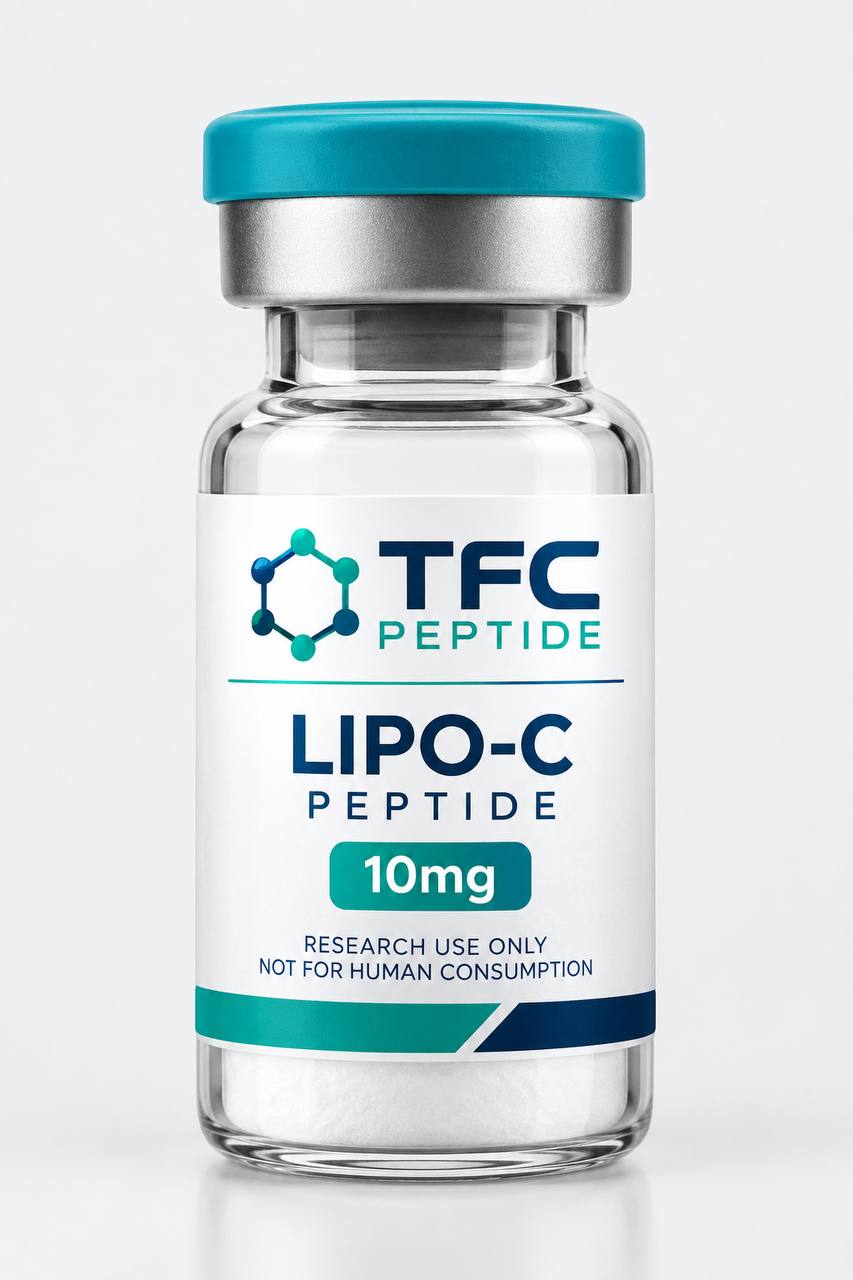
Lipo-C for sale 10ml * 10 vials
$50.00
Shipping cost less than 25kits is $60, reach 25kits shipping free.
We use US special line for shipping. 12-15 days arrive you. DDP US.
Final dispatch is USPS or FEDEX
EU countries have EU special line final dispatch by DHL, 15 days .
UK have UK special line, final dispatch is Royal mail. 7-10days
Special line means shipping agent transfer goods from China to your country which this part have no tracking update(some shipping agent have their own system have track path), when arrived destination customs finished clearance, then transfer to the native express as final dispatch.
When you see the tracking number offered to you which have update, that means it finished customs clearance, only need to wait dispatching to your hand.
Lipo-C Peptide: An Introduction
Lipo-C for sale is a research compound commonly discussed within modern peptide and metabolic research.
When you explore peptide research, you may encounter Lipo-C among various combination formulations.
The name can describe a formulation containing several ingredients selected for laboratory investigation.
Because formulations can vary, you should always check the exact composition before beginning any research.
Lipo-C products may be presented in different strengths, depending on the manufacturer and intended research application.
For this reason, the label should remain your first reference when reviewing a particular product.
You can use the available product information to identify the listed ingredients, quantity, and formulation details.
Clear labeling makes it easier for you to maintain accurate research records.
Peptide research continues to attract attention because peptides can interact with specific biological pathways.
Researchers study these compounds to better understand cellular processes and biochemical signaling.
Lipo-C fits within this broader research landscape as a formulation requiring careful laboratory evaluation.
Its value depends on the research question, experimental design, and validated laboratory methods.
You may also notice that Lipo-C for sale appears alongside other research compounds.
However, each formulation should be considered separately because ingredients and concentrations can differ.
This approach helps you avoid confusing one product with another during research activities.
It also makes documentation much easier when multiple compounds are being evaluated.
If you are comparing Lipo-C products, pay attention to the product label and available documentation.
You should review the stated ingredients, concentration, storage information, and batch details carefully.
These details can help you understand exactly what you are working with.
They also provide useful information when maintaining consistent laboratory records.
Research compounds deserve careful handling, even when their descriptions sound simple.
You should always follow applicable laboratory procedures and institutional requirements.
You should also avoid assuming that research information automatically translates into human health benefits.
Scientific investigation requires controlled conditions, appropriate testing, and careful interpretation of results.
Lipo-C can therefore be presented as a compound for research-oriented exploration.
Its description should focus on composition, documentation, quality, and intended laboratory use.
That approach gives you clearer information without making promises that research cannot support.
Whether you are studying biochemical pathways or comparing formulations, accurate information remains essential.
Lipo-C for sale and Modern Peptide Research
Peptide research has become an interesting area within contemporary laboratory science.
Researchers investigate peptides because these molecules can participate in many biological processes.
Their structures can provide useful opportunities for studying interactions between molecules and biological targets.
This makes peptide-based compounds interesting subjects for controlled scientific investigation.
Lipo-C belongs to a broader category of formulations encountered within research markets.
Depending on the specific formulation, it may contain multiple components rather than one isolated peptide.
You should therefore examine the individual product specifications before making research comparisons.
Two products carrying similar names may not necessarily contain identical ingredients.
When you investigate Lipo-C, documentation becomes particularly important.
A clear product description should tell you what the formulation contains.
It should also provide the stated amount and relevant handling information.
This gives you a straightforward starting point for laboratory planning and record keeping.
You can think of research documentation as the roadmap for your experimental work.
Good documentation helps you understand what was tested and under which conditions.
It can also help researchers reproduce procedures more consistently.
Consistency is especially important when comparing observations across different experimental sessions.
Lipo-C research may involve examining individual ingredients and their potential biological interactions.
Researchers can investigate these components separately or within controlled formulation studies.
Such work can help distinguish individual properties from combined formulation characteristics.
However, conclusions should remain connected to the actual experimental evidence.
You should also remember that laboratory research has specific requirements.
Research compounds are not automatically approved medicines simply because they receive scientific attention.
Laboratory findings also do not guarantee similar outcomes in humans.
Careful researchers keep these distinctions clear throughout their work.
This makes Lipo-C an interesting subject for structured research rather than casual experimentation.
You can approach the compound through careful documentation, controlled methods, and appropriate scientific references.
That mindset keeps your research organized while reducing unnecessary assumptions.
As peptide science continues developing, researchers will continue examining different formulations and biological mechanisms.
Lipo-C represents one example within this expanding research landscape.
Its role depends on the specific formulation, research objective, and experimental environment.
For you, the most useful starting point remains accurate product information and responsible laboratory practice.
Lipo-C Product Information and Quality Considerations
When you select a research compound, product quality deserves careful attention.
A professional product page should make important information easy for you to find.
This includes the compound name, stated quantity, formulation details, and available testing information.
Clear information helps you make better decisions about laboratory materials.
With Lipo-C, you should begin by reviewing the complete product label.
Check the stated formulation rather than relying only on the product name.
You should also compare the listed quantity with the supplied documentation.
These simple checks can prevent confusion during research preparation.
Batch information can also play an important role in laboratory organization.
A batch number allows you to connect your research material with specific documentation.
It can also help you maintain a clearer record of experimental materials.
Good records become increasingly useful when you conduct repeated experiments.
Storage information deserves similar attention.
Different research compounds can have different handling and storage requirements.
You should follow the manufacturer’s stated storage conditions whenever appropriate.
Avoid assuming that every peptide formulation requires identical handling.
Packaging can also provide useful information about the product.
Professional packaging should clearly identify the compound and relevant product details.
Readable labels help reduce confusion when several research materials are stored together.
They also make inventory management considerably easier.
Testing documentation can provide additional information about product characteristics.
Depending on the supplier, available documentation may include analytical or quality-control information.
You should review such documentation carefully rather than relying on promotional language.
Objective information provides a stronger foundation for research planning.
You should also consider whether the product matches your specific research requirements.
A formulation designed for one laboratory purpose may not suit another experiment.
Understanding your experimental objective can help you evaluate available research materials.
This keeps your purchasing process focused and practical.
It is also useful to distinguish product information from biological claims.
A product description can explain what a compound contains without promising specific outcomes.
This distinction is especially important when discussing compounds that remain under investigation.
Scientific accuracy should always take priority over exaggerated marketing language.
For this reason, Lipo-C for sale can be described through its formulation and research characteristics.
You can focus on transparency, documentation, handling, and laboratory suitability.
That approach creates a more trustworthy product experience for research-focused customers.
It also keeps expectations aligned with what scientific evidence can actually demonstrate.
Why Clear Lipo-C Information Matters
Choosing research materials becomes easier when product information is simple and transparent.
You should not need to decode complicated language just to understand a product label.
A clear description gives you the essential details without unnecessary technical wording.
This is especially helpful when you are comparing several research compounds.
Lipo-C can be introduced using straightforward language while still maintaining scientific accuracy.
You can learn about its formulation without encountering unrealistic promises or confusing claims.
That balance makes product information more useful for research-oriented readers.
It also helps you understand what information requires further investigation.
You should always look beyond the product name when comparing formulations.
Names can sometimes sound similar even when the underlying compositions differ.
Checking the ingredient list provides a more reliable basis for comparison.
This small step can make your research planning considerably clearer.
A well-organized product page should also explain the intended research context.
Research-use language helps distinguish laboratory materials from approved therapeutic products.
This distinction protects against misunderstandings about how the compound should be used.
It also encourages a more responsible approach to scientific investigation.
You can further improve your research process by keeping consistent records.
Record the product name, batch information, formulation, and relevant documentation.
You should also record experimental conditions whenever your research protocol requires them.
These details can make later analysis much easier.
Another useful habit involves checking information before beginning an experiment.
Reviewing documentation beforehand can help you identify important handling requirements.
It can also help you confirm that the material matches your intended research application.
Preparation often saves time once laboratory work begins.
Lipo-C may interest researchers exploring formulation characteristics and peptide-related biological questions.
However, the appropriate research application depends on the actual formulation and experimental objective.
You should therefore evaluate each product according to its documented characteristics.
Avoid assuming that general peptide information applies equally to every formulation.
The scientific field continues to develop, bringing new compounds and research questions into focus.
That development makes accurate product information increasingly valuable.
Researchers need descriptions that explain what a material is without overstating what it can accomplish.
Clear communication supports better documentation and more responsible scientific work.
If you are exploringLipo-C for sale for research purposes, start with the fundamentals.
Review the formulation, check the documentation, and understand the stated research context.
Then evaluate whether the available information fits your laboratory requirements.
A careful approach gives you a clearer foundation for responsible research.
Be the first to review “Lipo-C for sale 10ml * 10 vials”
Related products
TB500
CJC-1295 NO DAC
BPC 10mg + TB 10mg
Tirzepatide
Tirzepatide
Tirzepatide
Tirzepatide
Reviews
There are no reviews yet.